




 English
 Français
 Deutsch
 Italiano
 Português
 Русский
 Español
 Svenska
 ไทย
ไทย Türkçe
 हिन्दी
 Filipino
 简体中文
简体中文 한국어
한국어 Polski
Since the 1950s, humanity has been searching for extraterrestrial life with increasingly sophisticated tools. But after decades of space probes, meteorite analysis, radio telescopes, and UFO investigations, what have we actually found? A new piece of analysis by a team led by Seyed Sina Seyedpour Layalestani from the Islamic Azad University in Iran has looked at the most compelling evidence to date; from ancient space rocks that fell to Earth carrying the building blocks of life itself.
The Murchison meteorite, which crashed into Australia in 1969, is older than our Solar System at seven billion years. Recent analysis revealed something extraordinary, that all five nucleobases that form DNA and RNA (adenine, guanine, thymine, cytosine, and uracil) were present in this ancient stone. These molecules, confirmed as extraterrestrial in origin, fundamentally challenge the assumption that life’s ingredients formed exclusively on Earth.
Murchison meteorite at the The National Museum of Natural History in Washington (Credit : Basilicofresco)
The Orgueil meteorite that exploded over France in 1864 tells a similar story. This carbonaceous rock contains not just amino acids like glycine and alanine, but structures resembling microfossils, tiny forms that look similar to magnetotactic bacteria found in Earth’s oceans. While scientists initially dismissed these as contamination or mineral formations, recent studies have confirmed their extraterrestrial origin.
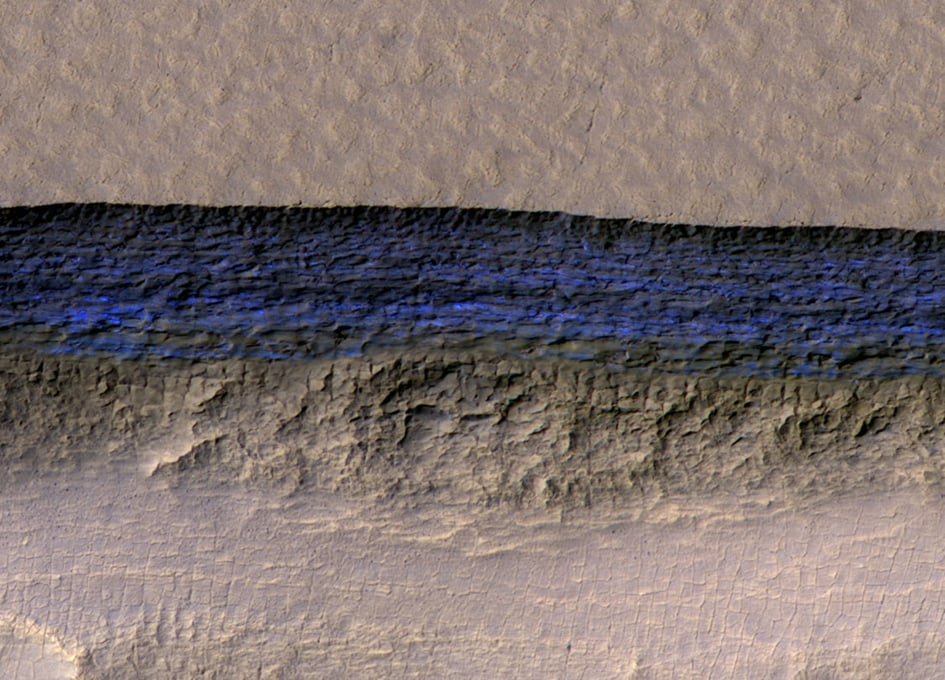
Space probes have expanded the search beyond meteorites. Rovers on Mars discovered liquid water streams and frozen ice. The Cassini spacecraft found massive glaciers on Saturn’s moon Enceladus. The Phoenix lander confirmed water ice just three centimetres below the Martian surface. These discoveries reveal that the basic requirements for life; water, organic compounds, and energy sources, seem to exist throughout our Solar System.
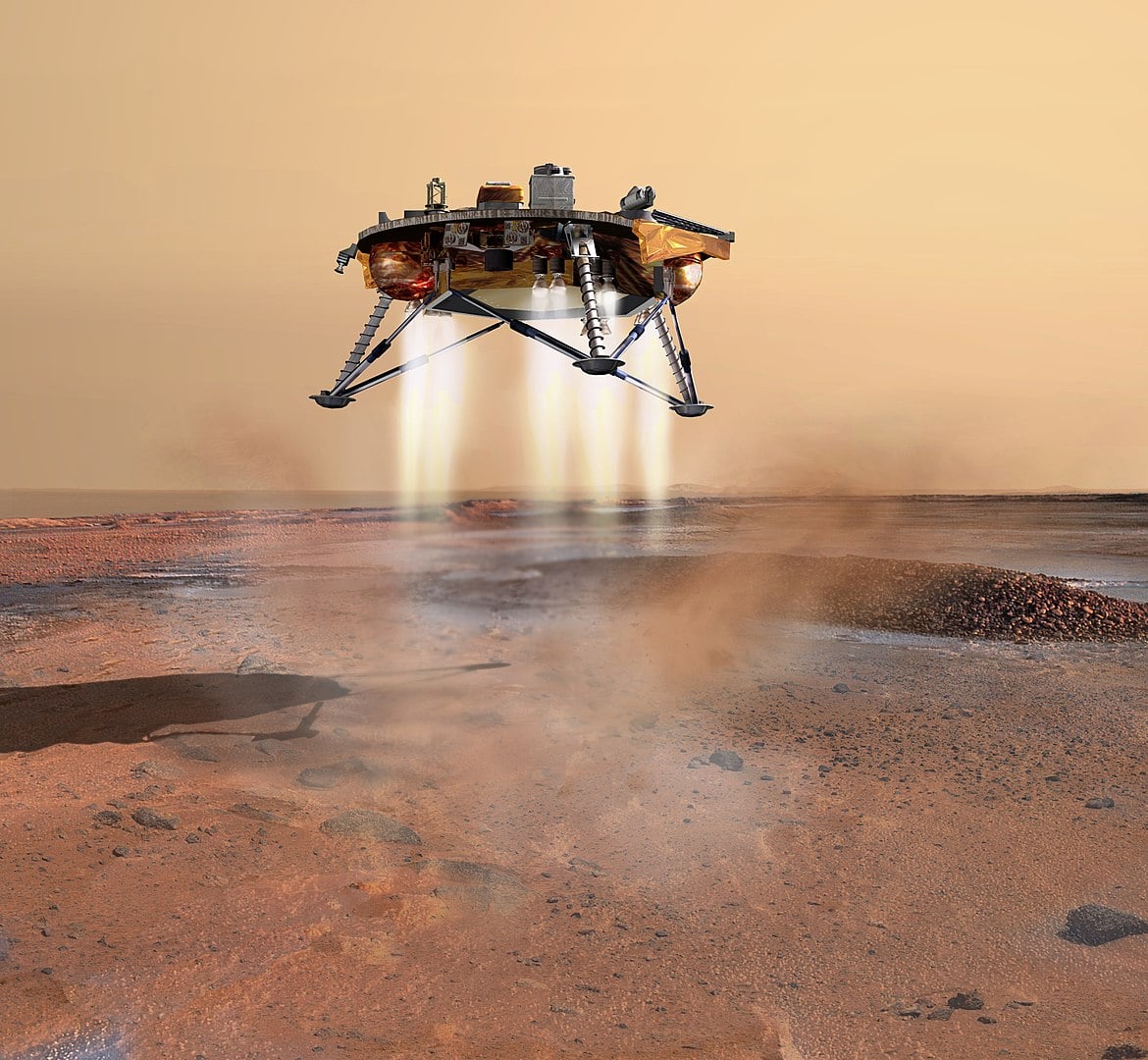 An artist’s rendition of the Phoenix Mars probe during landing (Credit : NASA/JPL/Corby Waste)
Radio telescopes have detected over a hundred organic molecules in interstellar dust clouds, including amino acids and nucleic acid components. These findings strengthen the panspermia hypothesis, the idea that life’s building blocks are distributed throughout space, potentially seeding planets across the Galaxy.
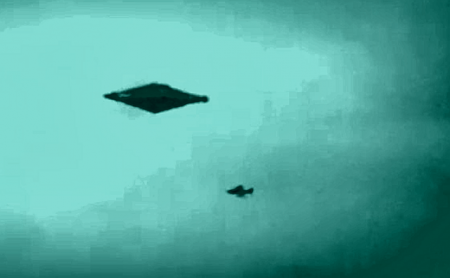
But what about intelligent alien civilisations? Despite decades of UFO reports and SETI programs broadcasting messages into space, no confirmed evidence of extraterrestrial intelligence exists. Most UFO sightings have conventional explanations, from ball lightning in the atmosphere to plasma phenomena in the thermosphere. The supposed alien bodies presented to Mexico’s Congress in 2023 were quickly dismissed as artificial constructs.
The challenge isn’t lack of evidence for life’s ingredients, instead it’s proving that these ingredients actually formed living organisms elsewhere. The presence of DNA building blocks in billion year old meteorites doesn’t confirm that alien bacteria existed, only that the chemistry for life occurs naturally in space.
Enter artificial intelligence. New AI algorithms can analyse meteorite chemistry to distinguish biological from non-biological origins of organic compounds. Machine learning helps filter noise from radio signals and identify atmospheric biosignatures on distant exoplanets. Where human analysis might overlook subtle patterns in vast datasets, AI excels.
We’ve found the pieces. The building blocks of life exist throughout space. Whether those pieces assembled into living organisms, microbial or intelligent, remains the universe’s most tantalising unanswered question.
Source : Evidence and traces of extraterrestrial life
Listen to the full episode here