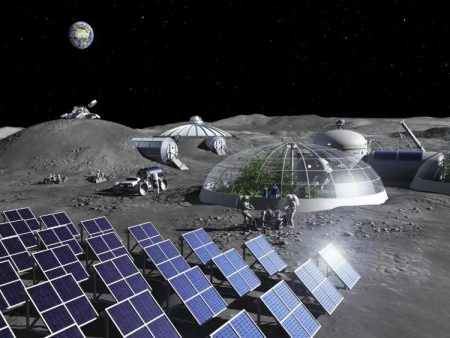









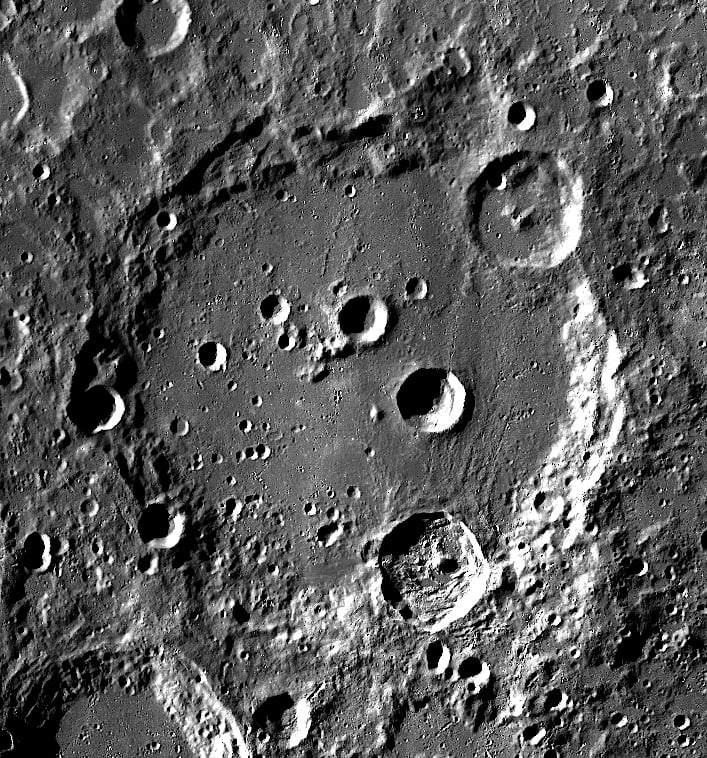
The Moon gets hit constantly. Without an atmosphere to burn up incoming debris, meteoroids strike the surface directly at hypersonic speeds, creating brief but intense flashes of light visible from Earth. These impacts, called transient lunar phenomena pose a serious threat to any infrastructure humanity builds there.
Hong Kong’s answer is Yueshan (meaning “moon flashes” in Chinese) a dedicated lunar orbiter that will provide the first continuous, long term monitoring of these impact events.
“No such devices have been built before. The mission aims to fill a critical gap” – Su Meng, executive director of the Laboratory for Space Research at the University of Hong Kong.
China plans to establish a lunar research station as part of its expanding space program, with missions like Chang’e-7 and Chang’e-8 laying the groundwork. Future astronauts will need to know how often and where meteoroids strike, and how large the impactors typically are. A kilogram sized rock traveling at several kilometres per second carries enough energy to punch through habitat walls or damage critical equipment.
The Chang’e-4 lander imaged by the Yutu-2 rover on the lunar far side (Credit : CSNA/Siyu Zhang)
The mission represents Hong Kong’s growing role in China’s space program. The orbiter’s optical telescope will be designed and built entirely in Hong Kong, showcasing the city’s aerospace engineering capabilities. Manufacturing and testing will occur through partnerships with other institutions, while several Chinese space agencies have already expressed interest in providing the launch vehicle.
Yueshan won’t be alone in studying these impacts. ESA’s LUMIO CubeSat mission plans to observe the lunar far side from an orbit around the Earth-Moon L2 point, while NASA’s Meteoroid Environment Office has been tracking impacts from Earth for years. The L2 point is a gravitational balance point located beyond the Moon’s far side, where a spacecraft can maintain a stable position relative to both Earth and Moon while keeping the lunar far side in constant view.
Yueshan will be the first mission specifically dedicated to long duration monitoring of lunar meteoroid strikes, providing data essential for assessing the safety of prolonged human activities on the Moon. Hong Kong is also participating in China’s Chang’e-7 mission, scheduled for 2026, and the Tianwen-3 Mars sample return mission. A Hong Kong born payload specialist is currently training to become the region’s first astronaut. The city is positioning itself as a serious player in deep space exploration.
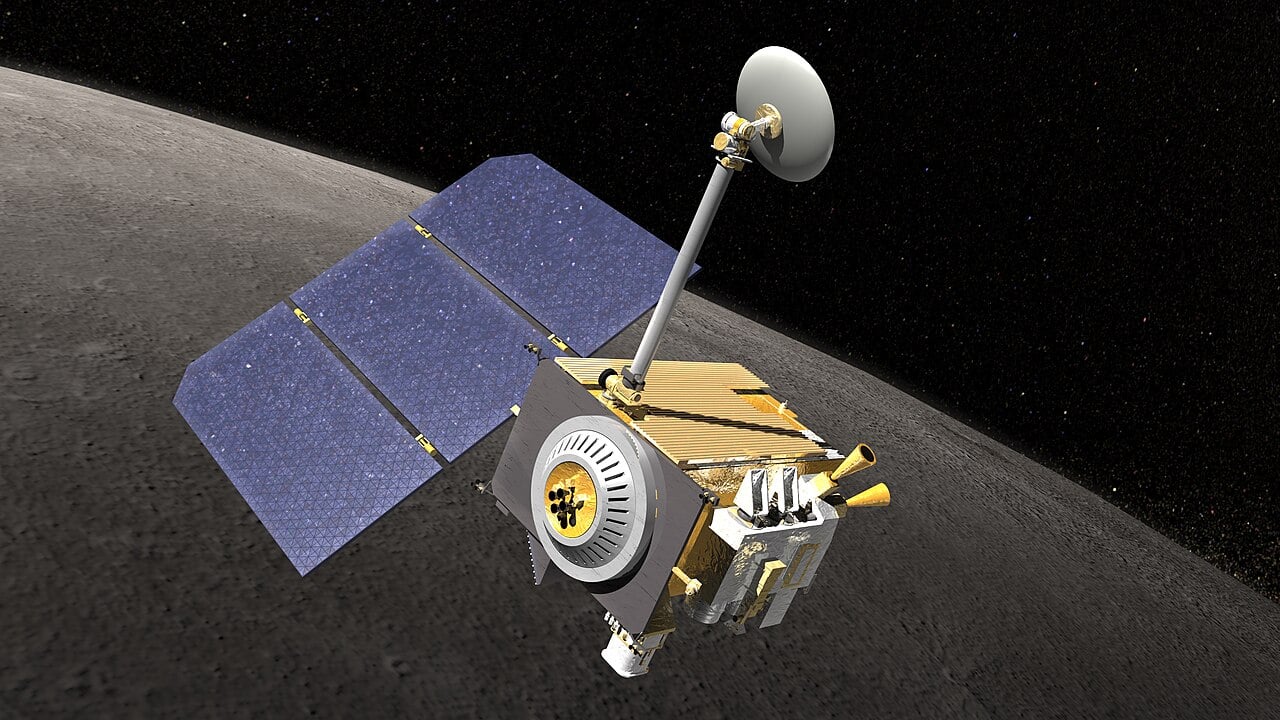

NASA’s experience offers a preview of the risks. In 2014, the Lunar Reconnaissance Orbiter was struck by a meteoroid but was only detected because the impact created a distinctive jitter in camera images. The spacecraft survived, but the incident highlighted the constant hazard. By 2028, when Yueshan reaches lunar orbit and begins its vigil, the data it collects will help answer a fundamental question: how dangerous is the Moon really for the humans who plan to call it home?
Source : Hong Kong to launch lunar orbiter in 2028 to study meteoroid threat
Listen to the full episode here